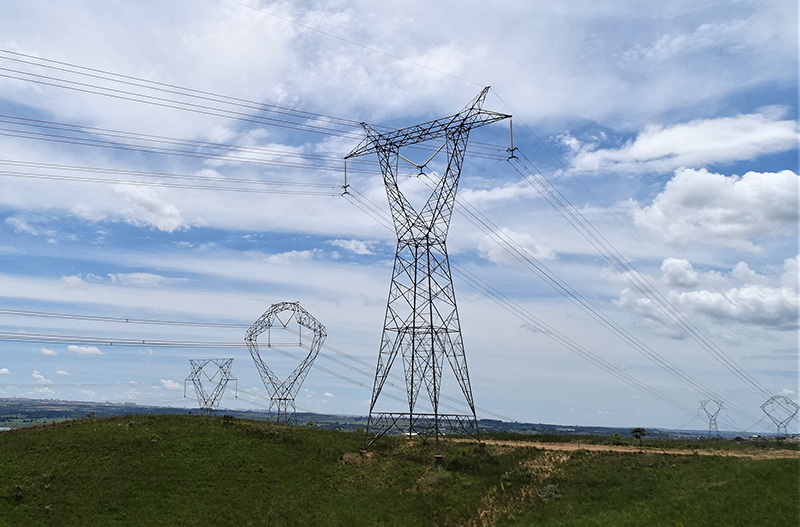
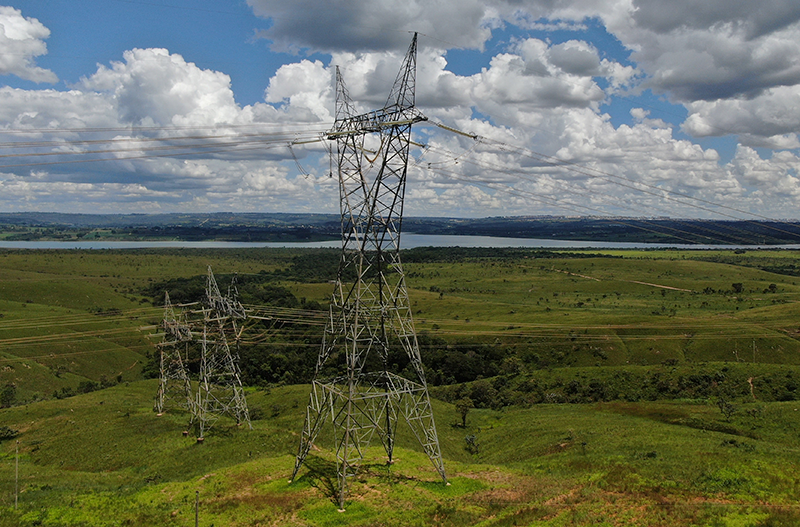
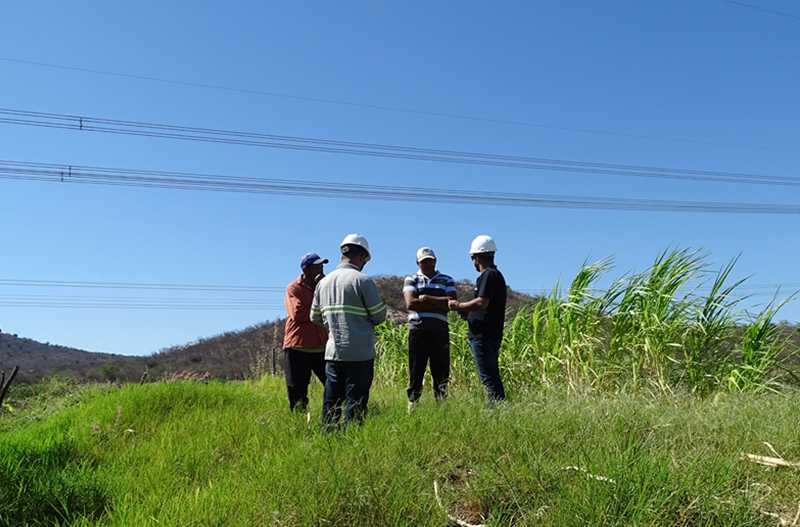
TAESA recognizes the importance of responsible environmental management throughout all stages of its operations and reinforces its commitment to sustainable practices that comply with environmental regulations and mitigate adverse impacts in the territories where it operates. Present across different biomes and socio-environmental contexts throughout Brazil — spanning both urban and rural areas — the Company conducts its projects with a focus on the efficient use of natural resources, biodiversity protection, and harmonious integration within the areas of influence of its transmission lines and substations, ensuring business sustainability while generating long-term value for society.
Our approach prioritizes structured initiatives that promote eco-efficiency, natural resource conservation, climate change adaptation, biodiversity preservation, and sound operational practices aimed at reducing environmental impacts.
Environmental licensing for TAESA's assets is carried out responsibly, in balance with natural resources and aligned with the principles of sustainable development. Through this process, the Company implements environmental control measures to ensure the prevention, mitigation, and monitoring of impacts arising from the construction and operation of its projects.
The licensing process conducted by TAESA fully complies with Brazilian environmental legislation and meets the requirements established by the competent environmental authorities at the federal, state, and municipal levels. In accordance with the model widely adopted in Brazil, environmental licensing is structured into three stages: the Preliminary License ("LP"), which assesses the project's environmental feasibility; the Installation License ("LI"), which authorizes the commencement of construction; and the Operating License ("LO"), granted upon verification of compliance with the required environmental measures and programs, allowing the start of operations.
As of December 2025, TAESA held 51 valid environmental licenses, comprising:
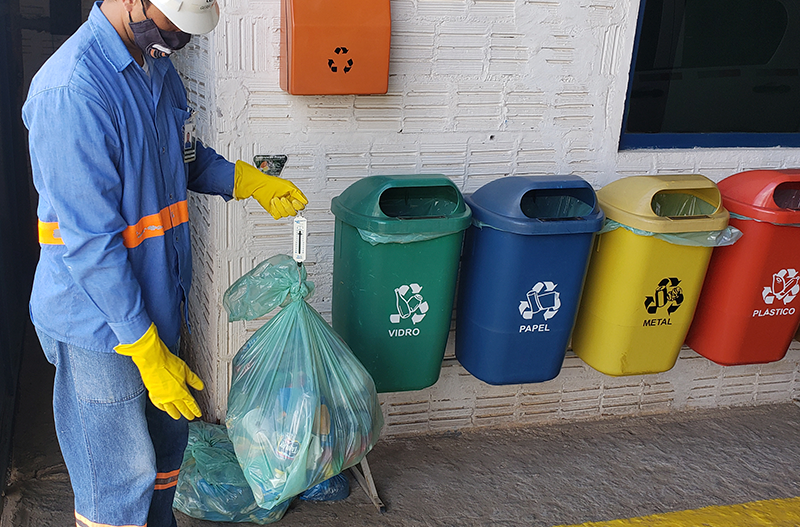
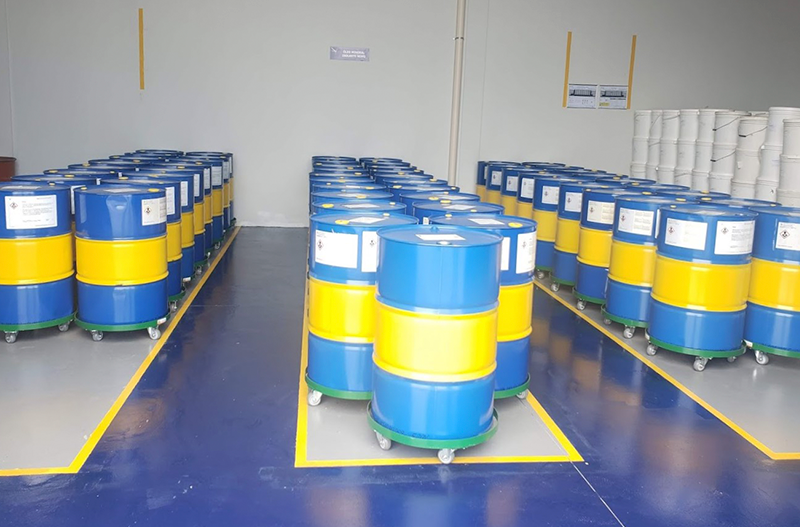
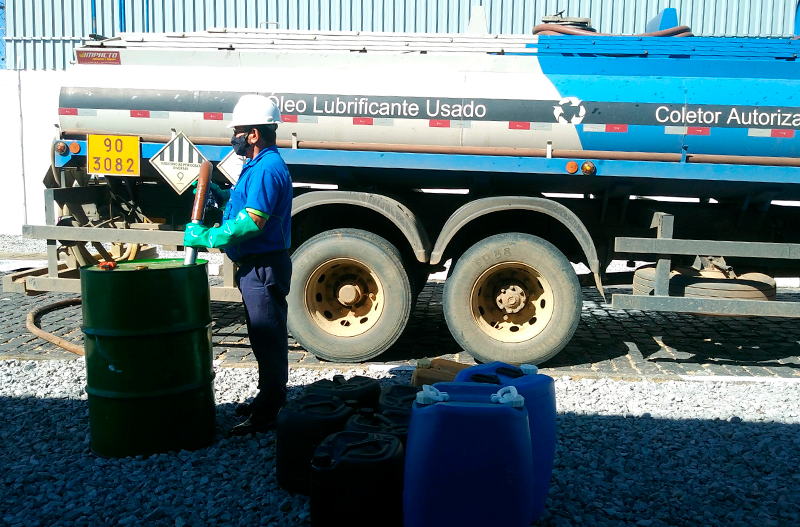
TAESA manages waste across all of its projects in accordance with its Integrated Management System Policy, internal Waste Control and Management standards, and applicable environmental legislation. The process is designed to reduce waste generation and ensure the environmentally appropriate disposal of materials produced during the construction, operation, and maintenance of its assets.
Off-site transportation is carried out exclusively by licensed service providers, with full traceability ensured through documentation such as the Waste Transportation Manifest ("MTR") and the Final Disposal Certificate ("CDF").
The Company also promotes training programs and awareness campaigns to encourage waste minimization and the pursuit of reuse, recovery, or recycling whenever feasible.
| Hazardous Waste | |
| Technology | Total (%) |
| Co-processing | 2,69% |
| Recycling | 0 |
| Re-refining | 3,31% |
| Effluent Treatment | 57,25% |
| Waste destined for final disposal | |
| Class I Landfill | 9,09% |
| Incineration | 27,66% |
| Non-Hazardous Waste | |
| Waste not destined for final disposal | |
| Recycling | 6,29% |
| Reuse | 91,5% |
| Co-processing | 0,65% |
| Waste destined for final disposal | |
| Class II Landfill | 1,45% |
| Incineration | 0,11% |
Energy and water consumption at TAESA's facilities is limited to routine operational activities, such as the operation of offices, warehouses, and substations, in addition to cleaning services, maintenance activities, and reinforcement works. Although these resources are not part of the Company's core operating process, TAESA maintains strict management controls to ensure efficient use and prevent waste. Consumption data for each facility is monitored monthly through environmental performance indicators, enabling the Company to track variations, identify improvement opportunities, and implement corrective actions in a timely manner.
With a focus on eco-efficiency, TAESA adopts and promotes initiatives such as rainwater harvesting, reuse of air conditioning condensate water, and the installation of water-saving devices in faucets and sanitary systems. In the energy front, the Company invests in energy efficiency initiatives and renewable generation. TAESA has implemented photovoltaic generation projects across all five regions of Brazil, totaling 397.85 kWp of installed capacity. In 2025, these systems generated 335,779 kWh and avoided the emission of 15.21 tCO₂e. These projects amount to R$1.5 million in investments and strengthen the Company's decarbonization strategy.
Another important milestone was the migration of substations to the free energy market, expanding the procurement of renewable energy. Between June and December 2025, electricity consumption at the migrated facilities totaled 1,804,578.42 kWh, at an average cost of R$0.89/kWh, representing a 26.34% drop in cost during the period and a decrease of 88.13 metric tons of CO₂ emissions. This initiative reinforces TAESA's commitment to sustainable practices, operational efficiency, and the energy transition.
Promoting the responsible use of resources and preventing waste are priorities for TAESA, which continuously encourages responsible practices among its employees. The Company develops projects and initiatives aimed at improving safety performance, preventing incidents, and strengthening a culture of protection and care across all its operations. In addition, TAESA monitors and ensures safe and healthy working conditions not only for its employees, but also for suppliers, service providers, visitors, and other stakeholders.
TAESA's socio-environmental campaigns are designed to strengthen the Company's relationship with communities located within the areas of influence of its projects. Conducted primarily in person, these initiatives enhance dialogue and bring the Company closer to audiences which are directly or indirectly affected by its concessions.
During these activities, in addition to providing guidance to residents and having conversations with them, TAESA also provides educational materials, including brochures, playbooks, comic books, T-shirts, caps, and other items that reinforce key information and encourage safe and responsible practices. The key topics addressed in these campaigns include:
TAESA treats Conservation and Biodiversity as core elements of its Environmental Management. In full compliance with environmental regulations—including the implementation of sustainability-driven initiatives—the Company plans and carries out its installation, operation, and maintenance activities with a focus on protecting ecosystems located along its transmission assets.
Each new project undergoes detailed assessments to identify socio-environmental impacts and guide the development of prevention, mitigation, and compensation programs. As a result, specific measures are implemented to minimize interference in urban and rural areas, in addition to specially protected zones.
Despite the environmental challenges associated with the construction of transmission lines, these projects also deliver relevant benefits, including increased energy availability and reliability, integration of renewable sources, emissions reduction, and support for local economic development.
TAESA runs structured programs to ensure operational safety, environmental conservation, and responsible engagement with communities. The Company's actions are guided by the principles of precaution, ethics, and accountability, reinforcing its commitment and responsibility toward communities, civil society, shareholders, and regulatory authorities.
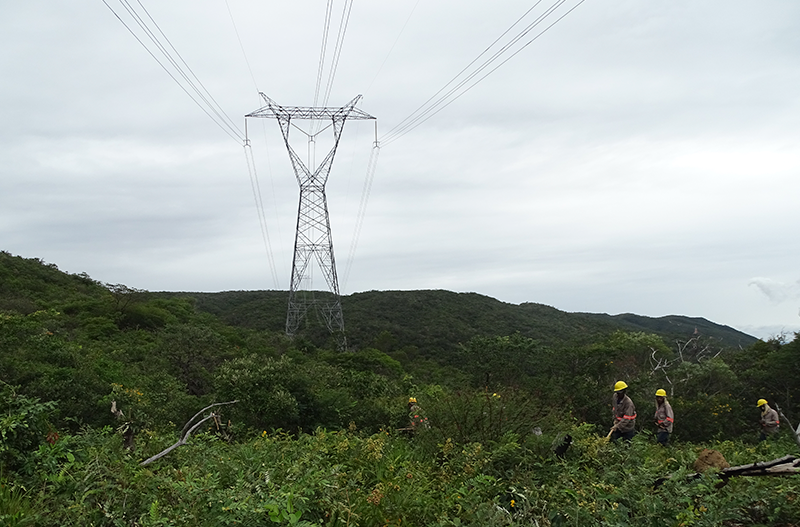
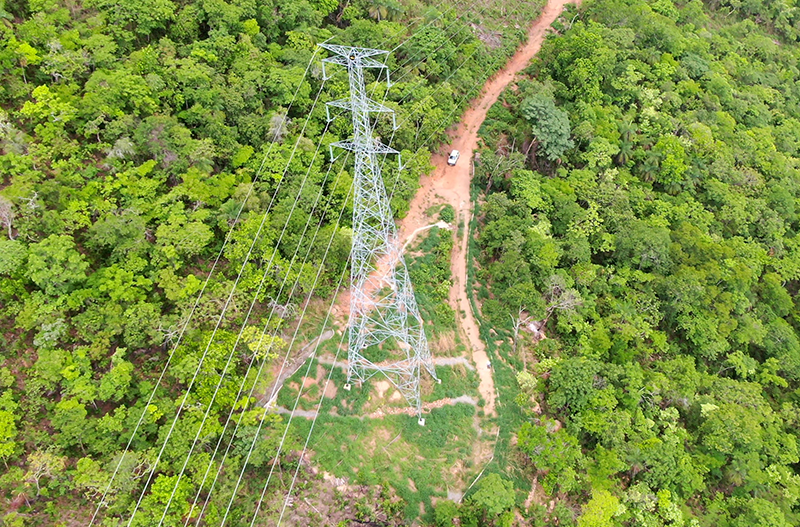
Most vegetation interventions occur within the right-of-way corridor. This being the case, TAESA adopts procedures that prioritize minimizing environmental impacts. Selective cutting is applied to remove only trees whose canopy may compromise the required safety distance between vegetation and conductors, while preserving all other species that do not pose operational risk. Whenever technically feasible, full removal is replaced by pruning, allowing the preservation of existing vegetation — in some cases, maintaining the full vegetative cover within the right-of-way corridor.
To further enhance environmental preservation during the construction of transmission lines, the Company has implemented the use of drones for conductor stringing in its most recent projects. This technology reduces vegetation clearing and mitigates environmental disturbance. Through these practices, TAESA reinforces its commitment to environmental conservation and the adoption of innovative solutions to minimize impacts.
Maintenance of access roads and right-of-way corridors aims at conducting preventive inspections and identifying potential environmental non-conformities along access routes, tower sites, and throughout the entire right-of-way. To this end, Operation and Maintenance teams perform annual inspections across all transmission lines, ensuring that these areas remain safe and suitable for operational activities. Access roads must remain in proper condition at all times to enable safe transit, particularly in emergency situations.
Similarly, vegetation within the right-of-way corridor is managed to prevent operational risks, such as the accumulation of species that may contribute to wildfires or interfere with the required safety clearance between vegetation and conductors. In these areas, selective cutting is prioritized to reduce environmental impact to the minimum required.
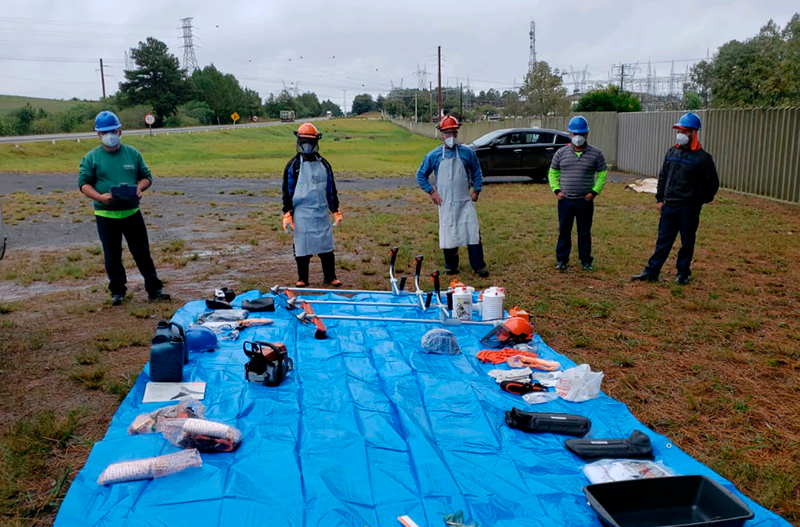
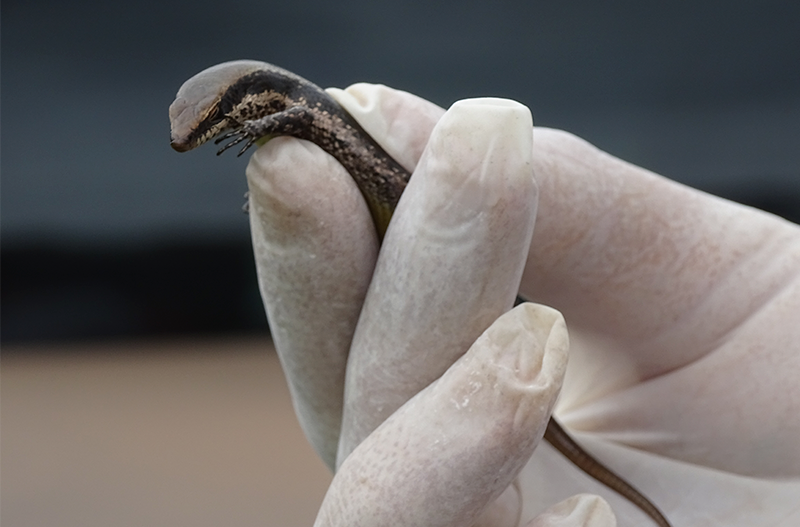
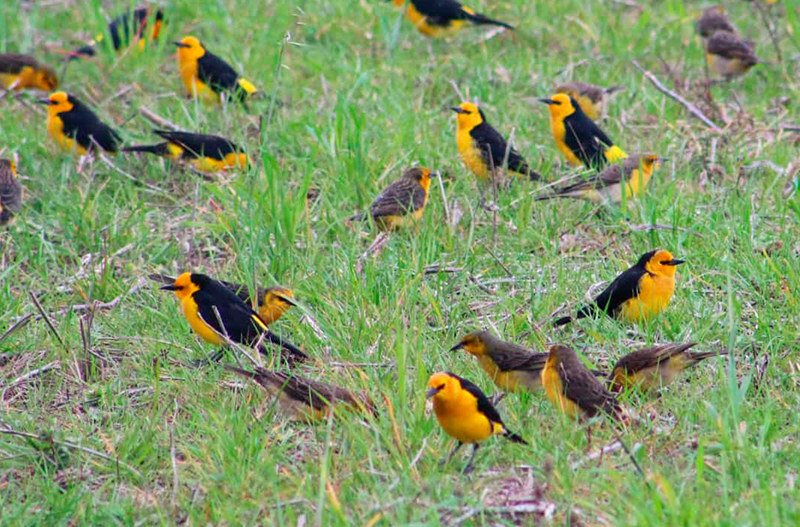
TAESA carries out ongoing initiatives aimed at protecting wildlife and preserving remaining native vegetation, adopting sustainable practices to minimize the impacts arising from the construction and operation of its projects. Since most interventions occur during the construction phase of transmission lines, the Company closely monitors these activities to ensure that environmental protection measures are properly planned and implemented in full compliance with applicable permits and legal requirements.
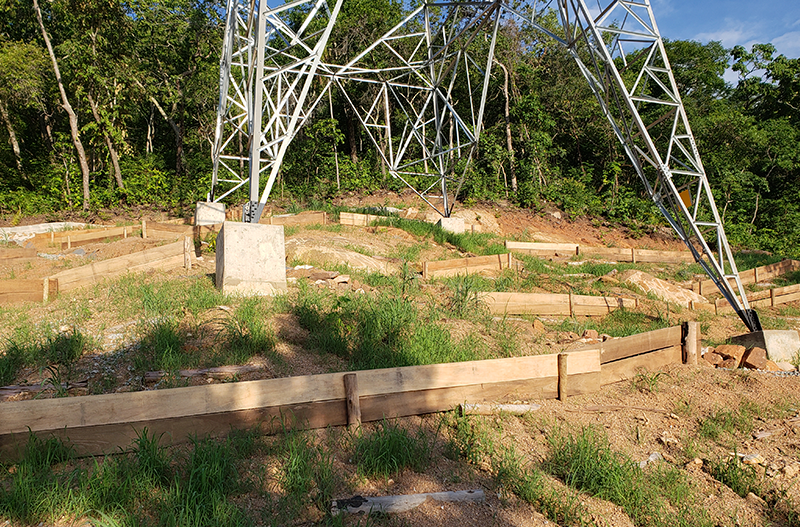
Similarly, vegetation within the right-of-way corridor is managed to prevent operational risks, such as the accumulation of species that may contribute to wildfires or interfere with the required safety clearance between vegetation and conductors. In these areas, selective cutting is prioritized to reduce environmental impact to the minimum required.
Whenever native vegetation or threatened species are cleared, Brazilian legislation requires compensatory forest replacement. This is key to restore biodiversity, ecological functions, and the sustainability of affected areas.
TAESA implements forest replacement initiatives with a focus on habitat restoration, applying techniques such as Agroforestry Systems ("AFS"), native bee management, reforestation with native species in former silviculture areas, and spring restoration.
For projects under construction, forest replacement begins after completion of civil works and is carried out either through full reforestation (restoring areas without vegetation cover) or enrichment planting, which increases biodiversity in areas with reduced vegetative cover. To date, 130.22 hectares have been reforested through full planting across five Brazilian biomes, and 25.1 hectares have been restored through agroforestry systems across two biomes.
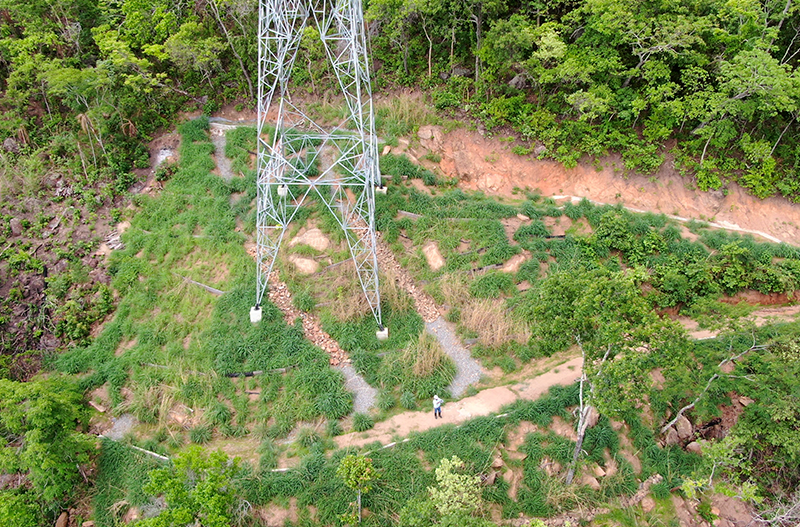
TAESA implements its Degraded Area Restoration Program ("PRAD") whenever it is needed to rehabilitate areas affected by construction activities. This program defines the actions and technical approaches required to restore such locations, including corrective measures to reintegrate them into the surrounding landscape.
During the operational phase of transmission lines, PRAD initiatives focus on addressing environmental non-conformities identified in the annual inspections of Access Roads and Right-of-Way Maintenance, ensuring that any issues are addressed in a preventive and effective manner.
Restoration activities may include the installation of surface drainage systems, energy dissipators, revegetation with native species, and other engineering and biological solutions tailored to the specific conditions of each site.
Aware of the increasing intensity of climate change impacts and their direct effects on both society and power sector operations, TAESA recognizes that integrating climate considerations into its strategy is key to ensuring the long-term sustainability of its business. Events such as severe storms, strong winds, prolonged droughts, and other extreme occurrences require the Company to be prepared to operate in a scenario of heightened climate vulnerability.
Thus, TAESA incorporates the Resilience, Climate Change, and Energy Transition agenda into its strategic management framework, to properly align climate-related risks and opportunities with its business model. The Company is committed to identifying and disclosing emissions through its Greenhouse Gas ("GHG") Inventory, in addition to developing mitigation and adaptation plans aimed at reducing the impacts of climate change on its assets and on the communities it serves.
GHG inventory prepared annually in accordance with the GHG Protocol, with continuous improvements in the quality and scope of reporting.
Achievement of the Silver Seal of the Brazilian GHG Protocol Program, recognizing TAESA's commitment to responsible climate practices.
In 2025, TAESA included Scope 3 emissions for the first time, broadening its view of impacts across the value chain.
TAESA takes a consistent approach to emissions management and, in line with leading global climate frameworks, annually enhances its Greenhouse Gas ("GHG") Inventory, prepared in accordance with the GHG Protocol. In parallel, the Company implements practical mitigation initiatives, such as awareness campaigns, wildfire prevention training, and forest replacement projects. The achievement of the Silver Seal of the Brazilian GHG Protocol Program marked important recognition of these practices and reinforced the Company's commitment to responsible climate practices.
In 2025, TAESA made significant progress by including Scope 3 emissions for the first time, expanding its visibility into impacts across the value chain and strengthening the transparency of its reporting.
With expanded monitoring across Scopes 1, 2, and 3, the Company continues to advance the outline of an action plan aligned with the UN 2030 Agenda, focused on emissions reduction, climate adaptation, and climate resilience of its operations.
The inventory process was conducted in accordance with the principles of relevance, completeness, consistency, transparency, and accuracy, ensuring the quality and credibility of the reported information.
Greenhouse Gas ("GHG") Inventory*
| Hierarchy | Emissions (tCO₂e)* | ||
|---|---|---|---|
| 2025 | 2024 | 2023 | |
| Scope 1 | |||
| Stationary combustion | 75,37 | 82,72 | 91,97 |
| Mobile combustion | 461,75 | 1.084,90 | 1.149,45 |
| Fugitive emissions | 4.578,61 | 3.918,52 | 2.113,16 |
| Land use change*** | 26.993,83 | 4.276,70 | 1.028,33 |
| Solid waste and liquid effluents | 2,91 | 4,67 | 8,67 |
| Scope 2 | |||
| Electricity procurement | 682,02 | 798,29 | 472,89 |
| Transmission losses | 75.170,32 | 76.472,03 | 53.498,26 |
| Scope 3** | |||
| Fuel and energy-related activities not included in Scopes 1 and 2 | 194,15 | — | — |
| Employee commuting (home-to-work) | 647,68 | — | — |
| Waste generated in operations | 746,34 | — | — |
| Business travel | 532,55 | — | — |
| Total | 110.025,50 | 86.637,83 | 58.362,73 |
* The inventory includes emissions associated with undertakings in Operation in which TAESA holds a 100% ownership interest and has management control. Emissions related to jointly controlled undertakings, as well as those arising from the activities of wholly owned subsidiaries in the implementation phase, are not covered.
** Scope 3 emissions data have only been reported as of 2025.
*** As of 2025, TAESA began including emissions resulting from vegetation clearing during the construction phase in its inventory, which explains the increase in the indicator. All interventions were carried out in compliance with applicable legislation and duly authorized by the competent environmental authorities.
Despite the specific context of the Brazilian power industry — where the largest source of emissions falls outside TAESA's direct control (Scope 2 transmission losses managed by the National System Operator – "ONS") — establishing targets aligned with initiatives such as the Science Based Targets initiative ("SBTi"), Race to Zero, Business Ambition for 1.5°C, and the UN Global Compact's Net-Zero Ambition remains a challenge. Nevertheless, TAESA monitors these global climate agendas and has implemented initiatives such as awareness campaigns and training on climate-related topics, wildfire prevention and mitigation training, forest replacement programs, and the cultivation of nurseries and distribution of seedlings.