Sustainability is one of TAESA's strategic pillars and is fully integrated into its business decisions, driving the pursuit of sustainable growth with financial discipline and operational efficiency. This commitment reinforces the creation of shared value with society, respect for the environment, and contributions to the country's economic and social development, while considering the needs of future generations.
TAESA continues to strengthen its commitment to a sustainable agenda by integrating modern ESG practices into its operating model. Since 2019, the Company has expanded initiatives that promote ethics, diversity, and socio-environmental responsibility, participating in important global and national networks and initiatives that foster development, inclusion, and transparency. The Company is a signatory to the United Nations Global Compact, contributing to the Sustainable Development Goals ("SDGs") of the 2030 Agenda, and has joined initiatives such as +Mulher 360, the UN Women's Empowerment Principles ("WEP"), the Raça é Prioridade (Race is a Priority) Movement, and the Transparência 100% (100% Transparency) Movement—further strengthening its commitment to diversity, inclusion, and corporate ethics.
In 2025, the Company advanced the update of its materiality assessment by adopting the double materiality approach, which considers both TAESA's impacts on the environment and society and the risks and opportunities capable of influencing its performance and value creation.
This evolution strengthens decision-making, enhances risk management, and guides initiatives aimed at advancing a more responsible and resilient operation committed to the future of Brazil's electric power industry.
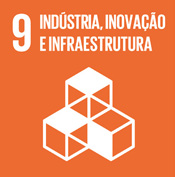
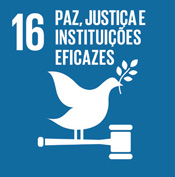
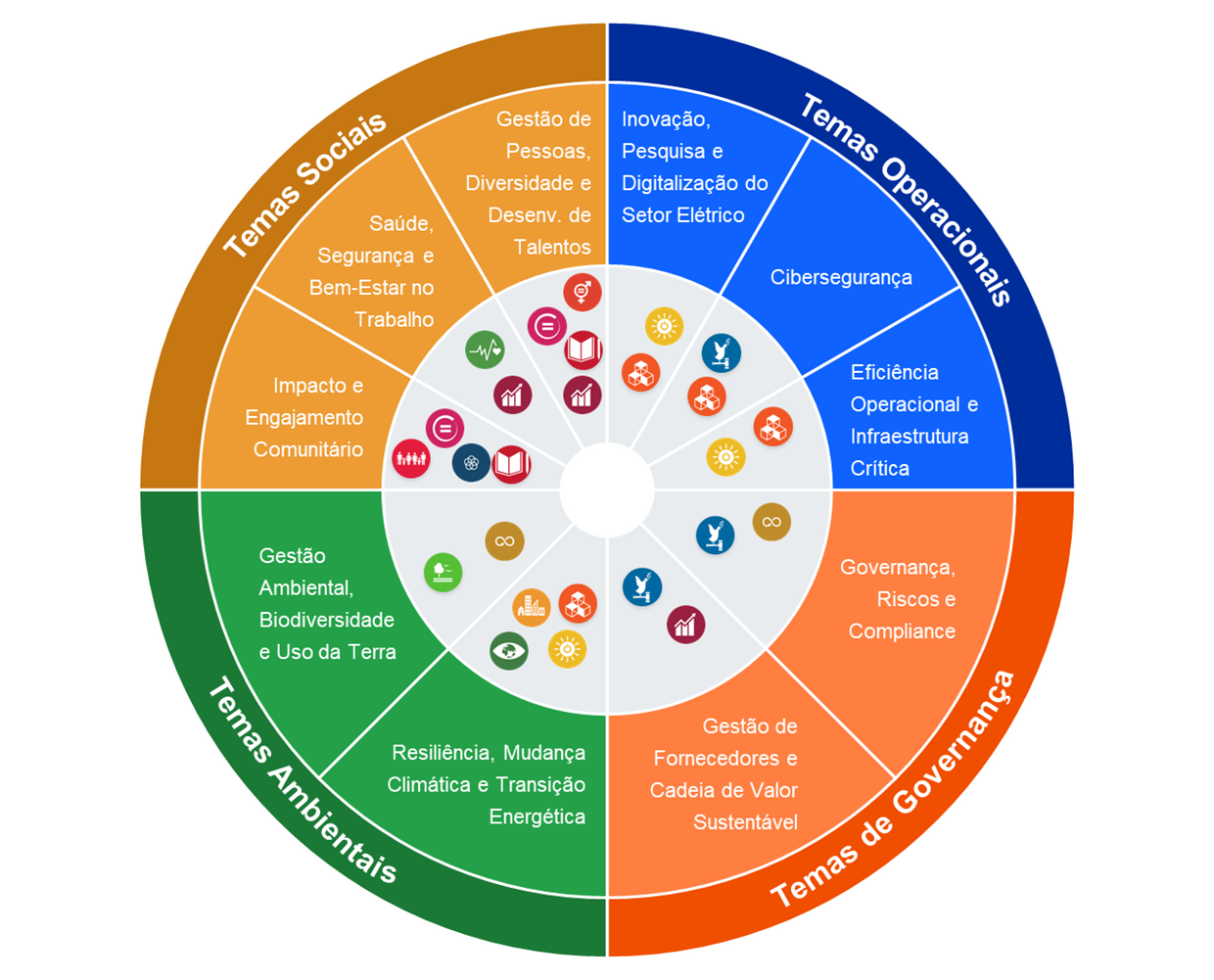
The Company's material topics and the UN Sustainable Development Goals (SDGs) they represent.
The updated materiality matrix enabled a complete reorganization of the material topics, reflecting a broader perspective more closely connected to the impacts, risks, and opportunities identified through the new double materiality process. Topics previously addressed separately were expanded, integrated, or renamed to properly represent TAESA's strategic priorities and the challenges of the electric power industry.
Beyond its commitment to being a company that values sustainability, the Company incorporates the UN SDGs into its corporate strategy. Since the 2024 Sustainability Report, the SDGs have been incorporated in a structured manner, creating a clear connection with the Company's Material Topics, and reinforcing the integration between the global sustainability agenda, business strategy, and value creation for society.
Infographic representing the Company's new material topics and the SDGs they represent.
Since 2019, TAESA has been a signatory to the United Nations Global Compact, an initiative that promotes dialogue between companies, corporations, and UN bodies on social and environmental responsibility policies.
In 2025, the Company joined the Brazil Pact for Business Integrity (Pacto Brasil pela Integridade Empresarial), a commitment aligned with the principles of the OECD and the UN SDGs, focused on promoting a culture of corporate integrity and responsibility. TAESA is also part of the Anti-Corruption Action Platform of the UN Global Compact Network Brazil, which brings together companies committed to collective actions aimed at preventing corruption and strengthening transparency.
Since 2022, the Company has maintained its participation in the Corporate Pact for Integrity and Against Corruption, led by the Ethos Institute, and in the Transparência 100% Movement. In 2025, TAESA established specific targets related to this initiative, with continuous monitoring by the Compliance team. All targets set for the year were fully achieved, strengthening the Company's Top Management's commitment to ethics and responsible governance.
During the same period, TAESA made significant progress in its transparency agenda by achieving three of the five targets established for 2030:
Promoting gender equity is also part of the public commitments assumed by TAESA. As part of this effort, the Company is a signatory to the Women's Empowerment Principles ("WEPs"), an initiative of UN Women that guides companies in advancing policies and practices that promote gender equality in the workplace, across the value chain, and in society. Learn about the 7 principles:
Corporate Leadership at the Highest Level
Treat all women and men in the workplace fairly, without discrimination
Employee health, well-being and safety
Education and training for career advancement
Enterprise development, supply chain and marketing practices
Community initiatives and advocacy
Measurement and reporting
TAESA takes pride in the talent and expertise of its female professionals and will continue to strengthen its efforts to promote inclusion and diversity.
For more details, visit: www.weps.org/about
Since 2023, TAESA has been part of the Raça é Prioridade (Race is a Priority) Movement, an initiative of the UN Global Compact in partnership with CEERT and UN Women, which mobilizes Brazilian companies to advance racial equity. Through this commitment, the Company established targets to increase the representation of Black professionals in leadership positions. In 2025, employees who self-identify as Black or mixed-race accounted for 28.8% of leadership positions at TAESA, which shows consistent progress and a genuine commitment to diversity.
For more details, visit: pactoglobal.org.br/movimento/racaeprioridade
Since 2021, TAESA has been included in B3's Sustainability Indices – IGPTW, reflecting market recognition of its commitment to people, organizational culture, and an excellent work environment.
In 2025, the Company was certified for the seventh consecutive time with the Great Place to Work ("GPTW") seal, reinforcing its position among the best companies to work for in Brazil.
In addition, starting in 2025, TAESA joined the IDIVERSA B3, an index that recognizes companies with consistent diversity practices. This inclusion is a significant governance and social responsibility milestone, recognizing that the Company's gender and racial diversity practices are aligned with the most advanced standards in the Brazilian market.
TAESA was recognized as a finalist in the second edition of the National Association of Finance, Administration and Accounting Executives ("ANEFAC") ESG Best Practices Award, which recognizes organizations with transformative initiatives in business continuity, environmental preservation and social well-being.
In 2025, TAESA received the GHG Protocol Silver Seal. This certification acknowledges that all Scope 1 and Scope 2 emission sources were included in the Company's greenhouse gas emissions report.
TAESA won 2nd place at the GRI Infra Awards 2025, in the Biodiversity category, with a project that implemented and managed 50 hectares of Agroforestry Systems (AFS) using native species and initiatives for the rescue and management of stingless bees in municipalities in the state of Rio Grande do Sul. Developed in partnership with farming families, the project combines biodiversity conservation with income generation for local communities.
TAESA was recognized with three awards at the first edition of the 2025 ANEEL Innovation Award. The awards ceremony took place in September, during the Technological Innovation and Energy Efficiency Congress of the Electric Power Sector (Citeenel 2025), the leading innovation event in Brazil's electric power industry.
TAESA was included in the 2025 edition of the Valor 1000 Ranking, which classifies the largest companies in Brazil based on their financial performance. In this edition, the Company ranked 10th overall and stood out in its sector for its results in EBITDA margin, profitability, and net revenue growth.
In October, the National Association of Finance, Administration and Accounting Executives ("ANEFAC") awarded TAESA the 2025 Transparency Trophy, one of the most respected and recognized awards in Brazil in the fields of governance and corporate finance.
In 2025, TAESA was recognized by the Valor Innovation Brazil Award, being included among the 150 most innovative companies in the country. In its first participation in the survey, the Company ranked 8th in the Electric Power category, highlighting its commitment to innovation management.
In November 2025, Brasnorte Transmissora de Energia S.A., a wholly owned subsidiary of TAESA, received the Abracone Award for Best Regulatory Financial Statements in the Small Company category. The award, granted by the Brazilian Association of Accountants of the Electric Power Sector, was presented during the 41st National Meeting of Sector Accountants.
In September, during the 12th Asset Management Meeting for Electric Power Sector Companies (EGAESE), TAESA received the 8th National Asset Management Award – Eng. Amaury Reigado for the work "The Influence of Aerodrome Protection Zones on Transmission Line Management." This recognition highlights the Company's commitment to solutions that combine safety, efficiency and sustainability.
TAESA holds four ISO certifications, implemented through a structured Management System designed to meet the requirements of the following standards:
The SGIT Policy takes on the following commitments:
The commitments set forth in the Integrated Management System Policy are translated into the following objectives:
TAESA has established its Green Finance Framework, a document that sets clear guidelines on how the Company issues, manages, and reports Green Bonds. The framework follows the Green Bond Principles ("GBP") of the International Capital Market Association ("ICMA"), which guide the selection of eligible projects, the proper use of proceeds, and transparency regarding environmental outcomes. Among the categories recognized by the GBP is electric power transmission, considered eligible because it directly supports the integration and delivery of renewable energy sources into the National Interconnected System ("SIN").
The funds raised by TAESA through Green Bonds finance and refinance transmission projects that expand the capacity of the SIN to integrate renewable energy, supporting the decarbonization of Brazil's electric power industry. The environmental performance of these projects is shown through specific indicators, such as the "Transmission Service Indicator for Green Users," which measures the increase in transport capacity for non-conventional renewable energy sources (solar, wind, biomass, and small hydro plants).
In 2025, TAESA carried out three Green Bond issuances, continuing the initiative launched in 2019 and reinforcing its strategy to finance projects aligned with the energy transition and the sustainable development of the electric power industry.
| Green Bond Issuances | 2025 | 2024 | 2023 | 2022 | 2021 | 2020 | 2019 |
|---|---|---|---|---|---|---|---|
| Quantity | 3 | 1 | 1 | 1 | 1 | - | 4 |
| Issuer / Project | TAESA | JANAÚBA | Annual Compliance with Conditions | |||||||||||
|---|---|---|---|---|---|---|---|---|---|---|---|---|---|---|
| 6ª Deb. | 7ª Deb. | 8ª Deb. | 10ª Deb. | 12ª (1ª s.) | 12ª (2ª s.) | 12ª (3ª s.) | 14ª (1ª s.) | 14ª (2ª s.) | 14ª (3ª s.) | 15ª (2ª s.) | 17ª (1ª s.) | Janaúba | — | |
| Issuance | 6ª Emissão de Debêntures (2ª série) | 7ª Emissão de Debêntures (série única) | 8ª Emissão de Debêntures (série única) | 10ª Emissão de Debêntures (2ª série) | 12ª Emissão de Debêntures (1ª série) | 12ª Emissão de Debêntures (2ª série) | 12ª Emissão de Debêntures (3ª série) | 14ª Emissão de Debêntures (1ª série) | 14ª Emissão de Debêntures (2ª série) | 14ª Emissão de Debêntures (3ª série) | 15ª Emissão de Debêntures (2ª série) | 17ª Emissão de Debêntures (1ª série) | 2ª Emissão de Debêntures (série única) | - |
| Cost of Debt | IPCA + 5,50% | IPCA + 4,50% | IPCA + 4,7742% | IPCA + 4,7605% | IPCA + 5,60% | IPCA + 5,75% | IPCA + 5,85% | IPCA + 5,87% | IPCA + 6,0653% | IPCA + 6,2709% | IPCA + 5,8438% | IPCA + 7,1690% | IPCA + 4,8295% | - |
| Debt Value R$ thousand | 210.000 | 508.960 | 300.000 | 100.000 | 630.783 | 300.410 | 318.807 | 327.835 | 86.261 | 385.904 | 300.000 | 650.000 | 575.000 | - |
| Issuance Date | 08/05/2019 | 25/10/2019 | 15/12/2019 | 15/05/2021 | 15/04/2022 | 15/04/2022 | 15/04/2022 | 15/09/2023 | 15/09/2023 | 15/09/2023 | 15/04/2024 | 15/01/2025 | 15/12/2019 | - |
| Maturity Date | 15/05/2044 | 15/09/2044 | 15/12/2044 | 15/05/2036 | 15/04/2029 | 15/04/2032 | 15/04/2037 | 15/09/2033 | 15/09/2035 | 15/09/2038 | 15/03/2034 | 16/01/2040 | 15/12/2044 | - |
| Amortization | Semi-annual - Customized | Semi-annual - Customized | Semi-annual - Customized | Annual – last 3 years | Annual – last 3 years | Annual – last 3 years | Annual – last 3 years | Bullet | Bullet | Annual – last 3 years | Annual – last 3 years | Annual – last 3 years | Annual – Customized | - |
| Project | ||||||||||||||
| Mariana Transmissora de Energia S.A. | ✓ | ✓ | ✓ | ✓ | ✓ | ✓ | ✓ | ✓ | ✓ | ✓ | ✓ | ✓ | ✓ | ✓ |
| Miracema Transmissora de Energia S.A. | ✓ | ✓ | ✓ | ✓ | ✓ | ✓ | ✓ | ✓ | ✓ | ✓ | ✓ | ✓ | ✓ | ✓ |
| Janaúba Transmissora de Energia S.A. | ✓ | ✓ | ✓ | ✓ | ✓ | ✓ | ✓ | ✓ | ✓ | ✓ | ✓ | ✓ | ✓ | ✓ |
| Sant'Ana Transmissora de Energia S.A. | ✓ | ✓ | ✓ | ✓ | ✓ | ✓ | ✓ | ✓ | ✓ | ✓ | ✓ | ✓ | ✓ | ✓ |
| Projeto Paraguaçu | ✓ | ✓ | ✓ | ✓ | ✓ | ✓ | ✓ | ✓ | ✓ | ✓ | ✓ | ✓ | ✓ | ✓ |
| Projeto Aimorés | ✓ | ✓ | ✓ | ✓ | ✓ | ✓ | ✓ | ✓ | ✓ | ✓ | ✓ | ✓ | ✓ | ✓ |
| Projeto Ivaí | ✓ | ✓ | ✓ | ✓ | ✓ | ✓ | ✓ | ✓ | ✓ | ✓ | ✓ | ✓ | ✓ | ✓ |
| Projeto SPT 1 | ✓ | ✓ | ✓ | ✓ | ✓ | ✓ | ✓ | ✓ | ✓ | ✓ | N/A | ✓ | ✓ | ✓ |
| Projeto SPT 2 | ✓ | ✓ | ✓ | ✓ | ✓ | ✓ | ✓ | ✓ | ✓ | ✓ | N/A | ✓ | ✓ | ✓ |
| Projeto Ananaí | ✓ | ✓ | ✓ | ✓ | ✓ | ✓ | ✓ | ✓ | ✓ | ✓ | * | ✓ | ✓ | ✓ |
| Projeto Pitiguari | ✓ | ✓ | ✓ | ✓ | ✓ | ✓ | ✓ | ✓ | ✓ | ✓ | * | ✓ | ✓ | ✓ |
| Projeto Novatrans | ✓ | ✓ | ✓ | ✓ | ✓ | ✓ | ✓ | ✓ | ✓ | ✓ | ✓ | ✓ | ✓ | ✓ |
| Projeto Saíra | ✓ | ✓ | ✓ | ✓ | ✓ | ✓ | ✓ | ✓ | ✓ | ✓ | ✓ | ✓ | ✓ | ✓ |
| Projeto Tangará | ✓ | ✓ | ✓ | ✓ | ✓ | ✓ | ✓ | ✓ | ✓ | ✓ | * | ✓ | ✓ | ✓ |
| Environmental Benefit | 2025 | 2024 | 2023 | 2022 | 2021 | 2020 | 2019 |
|---|---|---|---|---|---|---|---|
| Number of Green Users* | 1537 | 1445 | 1296 | 959 | 778 | 645 | 614 |
| Percentage of Green Users over total users (monthly averages) (%) | 89.05% | 93,71% | 85,38 | 76 | 72,5 | 69,9 | 68,3 |
| Revenue from Green Users (R$) | 805,504,600.34 | 713.115.488,68 | 682.683.975,67 | 163.923.647,44 | 78.245.263,00 | 50.709.936,00 | 52.540.033,72 |
| Percentage of revenue from Green Users relative to total (%) | 29.59% | 28,99% | 28,66 | 7 | 4,1 | 3,5 | 3,5 |